
Restaurant Construction Checklist: 17 Critical Steps for 2026

Restaurant Construction Checklist: 17 Critical Steps You Can’t Afford to Miss in 2026
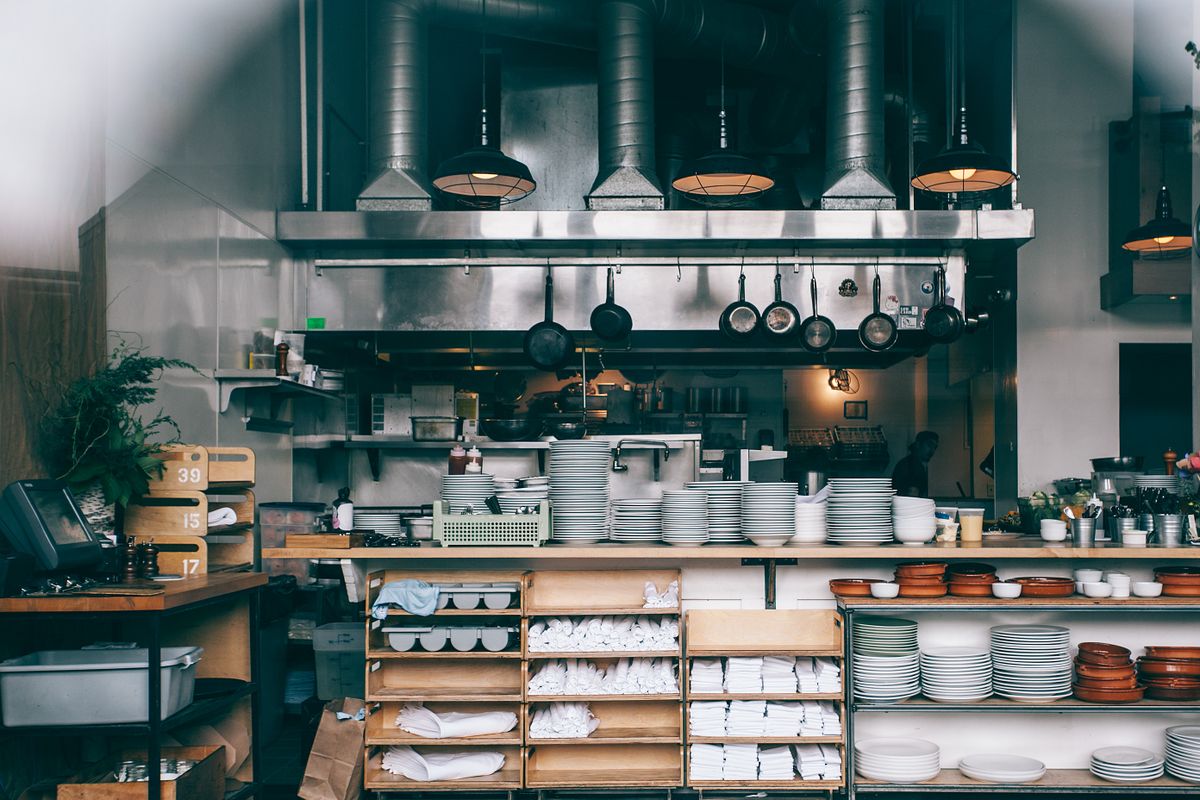
Restaurant construction is unlike any other commercial build out. With commercial kitchens, specialized ventilation systems, heavy plumbing requirements, and strict health code regulations, these projects require specialized expertise that standard office contractors simply don’t have.
Missing any critical step can delay your opening by weeks — or worse, require expensive rework that blows your budget. Here’s the comprehensive restaurant construction checklist our team uses to keep projects on track and on budget.
Why Restaurant Construction Is Different
Costs typically run $150–$500+ per square foot — significantly higher than standard commercial tenant build outs. This premium reflects the complexity of commercial kitchen equipment and installation, Type I and Type II hood systems with make-up air, grease trap installation and plumbing requirements, fire suppression systems (Ansul or equivalent), and health department compliance at every phase.
The National Restaurant Association reports that inadequate pre-planning is the leading cause of delays and cost overruns in restaurant projects. Understanding what makes these builds unique is the first step toward a successful outcome.
Phase 1: Pre-Construction Planning
Before your project begins, complete these critical steps:
- ☐ Verify zoning allows restaurant use at your location
- ☐ Review lease for landlord requirements and TI allowance
- ☐ Confirm adequate utility capacity (gas, electric, water)
- ☐ Check for existing grease trap or plan for installation
- ☐ Assess existing HVAC capacity for kitchen loads
- ☐ Engage a contractor with commercial kitchen experience
Pre-planning is where experienced contractors earn their fees. Identifying a missing grease trap or insufficient electrical service before you sign a lease can save tens of thousands of dollars. For a broader overview of the permitting steps involved, see our construction permit guide.
Phase 2: Design Development
During design development, your team addresses the technical backbone of the project:
- ☐ Commercial kitchen layout with equipment specifications
- ☐ Ventilation system design (Type I hood for cooking, Type II for dishwashing)
- ☐ Fire suppression system planning (Ansul or equivalent)
- ☐ Plumbing layout for 3-compartment sink, hand sinks, mop sink
- ☐ Electrical design for equipment loads (often 200+ amp service)
- ☐ Restroom count per occupancy requirements
- ☐ ADA compliance in all public areas
Kitchen design drives nearly every other decision in restaurant construction. The equipment package determines electrical loads, plumbing rough-in locations, ventilation sizing, and even structural requirements for heavy items like walk-in coolers. Getting this phase right prevents cascading problems during the build. The FoodSafety.gov portal provides federal food safety standards that inform many of these design decisions.
Phase 3: Permitting for Restaurant Construction
These projects require more permits than typical commercial projects:
- ☐ Building permit
- ☐ Health department plan review
- ☐ Fire marshal approval
- ☐ Mechanical/HVAC permit
- ☐ Plumbing permit
- ☐ Electrical permit
- ☐ Sign permit (if applicable)
- ☐ Alcohol license (if applicable — start early, these take 60–90+ days)
Health department plan review is unique to restaurant projects and can add 2–4 weeks to your permitting timeline. Submit health department plans simultaneously with building permits to avoid sequential delays. Your contractor should know which departments can run in parallel and which require sequential approval.
Phase 4: The Active Construction Phase
During active construction, your contractor manages the build sequence:
- ☐ Rough-in plumbing including grease trap connection
- ☐ Install ductwork and make-up air system
- ☐ Run electrical circuits for all equipment locations
- ☐ Install gas lines with proper shut-offs
- ☐ Frame walls including sound isolation if needed
- ☐ Install commercial-grade flooring (non-slip, easy to clean)
- ☐ Install FRP (fiberglass reinforced panels) in kitchen areas
- ☐ Set kitchen equipment (coordinate with equipment vendor)
Sequencing matters enormously in these builds. The grease trap must be in before the slab is finished. Ductwork must be installed before the ceiling goes up. Equipment electrical connections must align with the equipment vendor’s delivery schedule. An experienced contractor coordinates all of these dependencies to prevent costly delays.
The OSHA construction safety standards apply to every commercial job site, and restaurant projects are no exception — especially when working with gas lines, heavy equipment rigging, and rooftop mechanical installations.
Phase 5: Final Inspections
Before your project is complete, you’ll need to pass:
- ☐ Final building inspection
- ☐ Health department final inspection
- ☐ Fire department final inspection
- ☐ Certificate of occupancy
- ☐ Health permit to operate
Health department inspectors check everything from sink placement and water temperature to wall finishes and floor drainage. Fire inspectors verify the suppression system, hood operation, and proper clearances. Failing any of these inspections delays your opening and costs you money every day the doors stay closed.
Common Restaurant Construction Mistakes to Avoid
The biggest mistake we see? Underestimating ventilation costs. A proper commercial kitchen exhaust system with make-up air can easily cost $50,000–$150,000. Owners who budget $20,000 for ventilation face a painful reckoning during the build.
Second place goes to grease traps — retrofitting one after the slab is poured is exponentially more expensive than planning for it during pre-construction. Third is alcohol licensing timelines. If your concept includes a bar, start the licensing process immediately. A 90-day approval window means submitting the application before your build out even begins.
Working with a contractor who has completed dozens of restaurant builds makes all the difference. We know where the pitfalls are because we’ve navigated them repeatedly. For guidance on selecting the right building partner, read our guide on how to choose a general contractor, and to understand the contractor’s role in these projects, see what a commercial general contractor actually does.
Frequently Asked Questions About Restaurant Construction
How much does restaurant construction cost per square foot?
Costs typically run $150–$500+ per square foot, significantly higher than standard commercial build outs. Costs vary based on kitchen complexity, ventilation requirements, finish level, and local market conditions. See our tenant build out cost guide for broader commercial benchmarks.
How long does restaurant construction take?
Most restaurant build outs take 3–6 months from permit submission to opening, depending on project complexity, permitting timelines in your jurisdiction, and equipment lead times. Alcohol licensing can add 60–90+ days on top of the construction schedule.
What is the most expensive part of restaurant construction?
Commercial kitchen ventilation is typically the single most expensive element, with proper exhaust systems and make-up air costing $50,000–$150,000. Kitchen equipment packages, grease trap installation, fire suppression systems, and specialized plumbing also drive costs well above standard commercial rates.
Planning a restaurant build out? Contact Bowser Construction Group to discuss your project with our experienced team.