
Construction Permits: 10 Essential Steps to Avoid Costly Delays

Construction Permits: 8 Essential Steps to Avoid Costly Mistakes
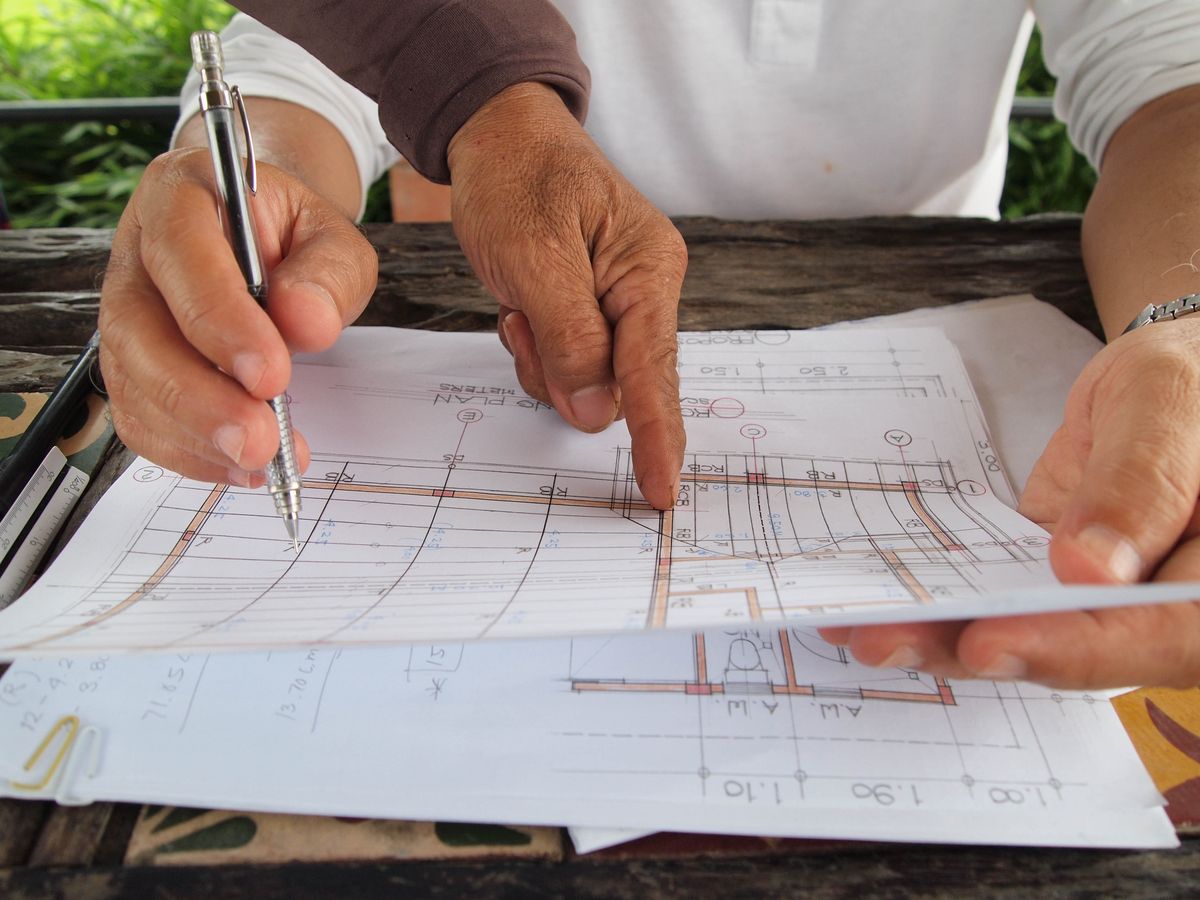
The commercial construction permitting process can seem daunting, but understanding what’s required, when it’s required, and how to navigate the system makes the process manageable. Here’s everything you need to know about construction permits, building permit applications, and approval processes.
Understanding Construction Permits: Why They Exist
Construction permits exist to ensure building projects meet safety codes, zoning requirements, and structural standards. They protect both the building owner and future occupants by verifying work meets minimum safety requirements established by the International Code Council.
When Are Permits Required?
Generally, building permits are required for new construction of any size, additions to existing structures, structural modifications or alterations, electrical, plumbing, and mechanical work, change of occupancy or use, and demolition work.
When Permits Might Not Be Required
Minor work sometimes doesn’t require permits. Painting and decorating, non-structural flooring replacement, minor repairs that don’t alter structure or systems, and basic landscaping work typically fall outside permit requirements.
However, requirements vary by jurisdiction. When in doubt, check with your local building department or consult with an experienced contractor. For help selecting the right contractor, read our guide on how to choose a general contractor.
Types of Construction Permits You May Need
Building Permit
The primary building permit covers the overall construction project including structural work, exterior alterations, and general building modifications. This is the foundation permit that must typically be obtained before other specialized permits.
Electrical Permit
Required for any electrical work including new circuits, service upgrades, lighting installations, and electrical system modifications. Licensed electricians typically pull these permits.
Plumbing Permit
Covers installation or modification of water supply, waste systems, gas lines, and plumbing fixtures. Licensed plumbers handle these permits.
Mechanical Permit
Required for HVAC installation, modification, or replacement. This includes heating systems, air conditioning, ventilation, and refrigeration systems.
Fire Protection Permit
For installation or modification of fire sprinkler systems, fire alarms, and other fire protection equipment. Commercial construction permitting almost always requires fire protection reviews.
Demolition Permit
Required before demolishing structures. Ensures proper handling of hazardous materials, utility disconnection, and safety procedures.
Special Use Permits
Some projects require additional permits based on use: restaurant permits from the health department, alcohol service permits, signage permits, and special event or tent permits. The U.S. Small Business Administration maintains a helpful overview of federal, state, and local permit requirements for business owners.
The Permit Application Process: Step by Step
Step 1: Pre-Application Research
Before applying for construction permits, research your local requirements. Different jurisdictions have different processes, fees, and documentation requirements. Contact your building department early to understand expectations.
Step 2: Prepare Required Documentation
Permit applications typically require completed application forms, site plans showing property boundaries and structures, architectural drawings and elevations, structural engineering plans when required, energy calculations or compliance documentation, contractor license information, and proof of property ownership or authorization.
Step 3: Submit Application and Fees
Building permit fees vary based on project scope and value. Fees typically include plan review charges, permit issuance fees, and sometimes inspection fees. Budget for these costs early in project planning.
Step 4: Plan Review Process
Building departments review submitted plans for code compliance. This process involves multiple reviewers checking structural, electrical, plumbing, mechanical, and accessibility compliance. Reviewers may request corrections or additional information. For background on accessibility requirements, see our guide on ADA compliance in commercial construction.
Step 5: Address Plan Review Comments
If reviewers identify issues with your permit application, you’ll need to revise plans and resubmit. Multiple review cycles can significantly extend timelines. Working with experienced design professionals who know local requirements helps minimize revisions.
Step 6: Permit Issuance
Once plans are approved, permits are issued. You’ll receive permit documents that must be posted at the construction site and available for inspector review throughout the project.
Step 7: Inspections During Construction
Construction requires multiple inspections at specific milestones: foundation inspection before concrete pour, framing inspection before covering walls, rough-in inspections for electrical, plumbing, and mechanical before covering, insulation inspection, and final inspection before occupancy.
Step 8: Certificate of Occupancy
After passing final inspection, you receive a certificate of occupancy (CO) allowing legal use of the building. No CO means no occupancy — this is strictly enforced in commercial construction permitting.
Construction Permits Timeline Expectations
Permit approval timelines vary significantly by jurisdiction and project complexity. Understanding realistic timelines helps with project scheduling.
Typical Timeline Ranges
- Simple projects: 2–4 weeks for permit approval
- Standard commercial projects: 4–8 weeks
- Complex commercial projects: 8–16 weeks
- Major developments: 3–6 months or more
Factors Affecting Timeline
Jurisdiction workload and staffing, project complexity and size, completeness of submitted plans, number of review disciplines involved, special reviews such as historic or environmental assessments, and overall plan quality and code compliance all influence how quickly permits are approved.
Expedited Review Options
Some jurisdictions offer expedited review for additional fees. This can reduce timelines by 50% or more for urgent projects. Inquire about fast-track options when timeline is critical.
Common Permit Delays and How to Avoid Them
Incomplete Submissions
The most common cause of delay: incomplete application packages. Missing documents, unclear drawings, or insufficient information force reviewers to issue correction requests, restarting the review clock.
Solution: Work with experienced design professionals who know local requirements. Submit complete, thorough applications the first time.
Code Compliance Issues
Plans that don’t meet current building codes require revision and resubmission. Common issues include accessibility violations, structural deficiencies, or inadequate fire protection.
Solution: Design to current codes from the start. Consider pre-submittal meetings with building officials to identify potential issues early. The OSHA construction safety page provides useful background on federal safety standards that intersect with building code requirements.
Zoning Conflicts
Projects that don’t comply with zoning requirements — setbacks, height limits, parking, or use restrictions — can’t receive building permits until zoning issues are resolved through variances or other relief.
Solution: Verify zoning compliance before investing in detailed design. Address zoning issues through the variance process before permit submission if needed.
Special Review Requirements
Some properties require additional reviews: historic preservation, environmental impact, traffic studies, or special district approvals. These add time to the permitting process.
Solution: Identify special requirements during due diligence. Account for additional review time in project schedules. If you’re building in Atlanta, our guide on commercial construction in Atlanta GA covers the city’s special district requirements in detail.
Interdepartmental Coordination
Commercial construction permitting often requires approvals from multiple departments: building, fire, health, utilities. Coordination between departments can extend timelines.
Solution: Submit to all required departments simultaneously rather than sequentially. Track progress with each department and follow up regularly.
The Risks of Working Without Construction Permits
Some property owners consider skipping the permit process to save time or money. This is always a mistake with serious consequences.
Legal and Financial Risks
- Stop work orders — Authorities can halt construction, delaying projects and adding costs
- Fines and penalties — Significant financial penalties for unpermitted work
- Forced removal — You may be required to remove unpermitted work entirely
- Retroactive permitting costs — Getting permits after the fact costs more and may require destructive investigation
- Increased insurance premiums — Or denial of coverage for unpermitted work
Property Transfer Issues
Unpermitted work creates problems when selling property. Title companies may refuse to insure, buyers can back out of sales, property values decrease, and you may be forced to remove work or obtain retroactive permits.
Safety Concerns
The most important reason for construction permits: safety. Permit reviews and inspections ensure work meets minimum safety standards. Unpermitted work risks structural failure, electrical fires, and other hazards.
Learn about building codes and fire protection standards at the National Fire Protection Association website.
Successfully Navigating Construction Permits
While construction permits add time and cost to projects, they’re essential for legal, safe construction. Understanding the process, preparing thorough applications, and working with experienced professionals streamlines approval and prevents far greater problems down the road.
The commercial construction permitting process protects property owners, contractors, and future occupants by ensuring construction meets established safety standards. Partner with contractors who understand local requirements and have proven track records of successful permit navigation.
Don’t view building permits as obstacles — view them as protection for your investment. The time invested in proper permitting prevents costly fines, safety hazards, and legal exposure that far outweigh the upfront effort.
Frequently Asked Questions About Construction Permits
How long does it take to get construction permits?
Timelines vary by jurisdiction and project complexity. Simple projects take 2–4 weeks, standard commercial projects 4–8 weeks, complex commercial projects 8–16 weeks, and major developments 3–6 months or more. Expedited review options may be available for additional fees.
What happens if you build without construction permits?
Building without construction permits risks stop work orders, significant fines, forced removal of completed work, increased insurance premiums, and problems when selling the property. Unpermitted work also creates serious safety hazards for occupants.
How much do construction permits cost?
Construction permits fees vary based on project scope and value. Costs typically include plan review charges, permit issuance fees, and inspection fees. Contact your local building department for specific fee schedules, as these vary significantly between jurisdictions.