Retail, office, and restaurant build-outs that minimize downtime and maximize ROI. Licensed, bonded, and insured general contractor since 2016.
Tell us about your project and receive an estimate within 48 hours.

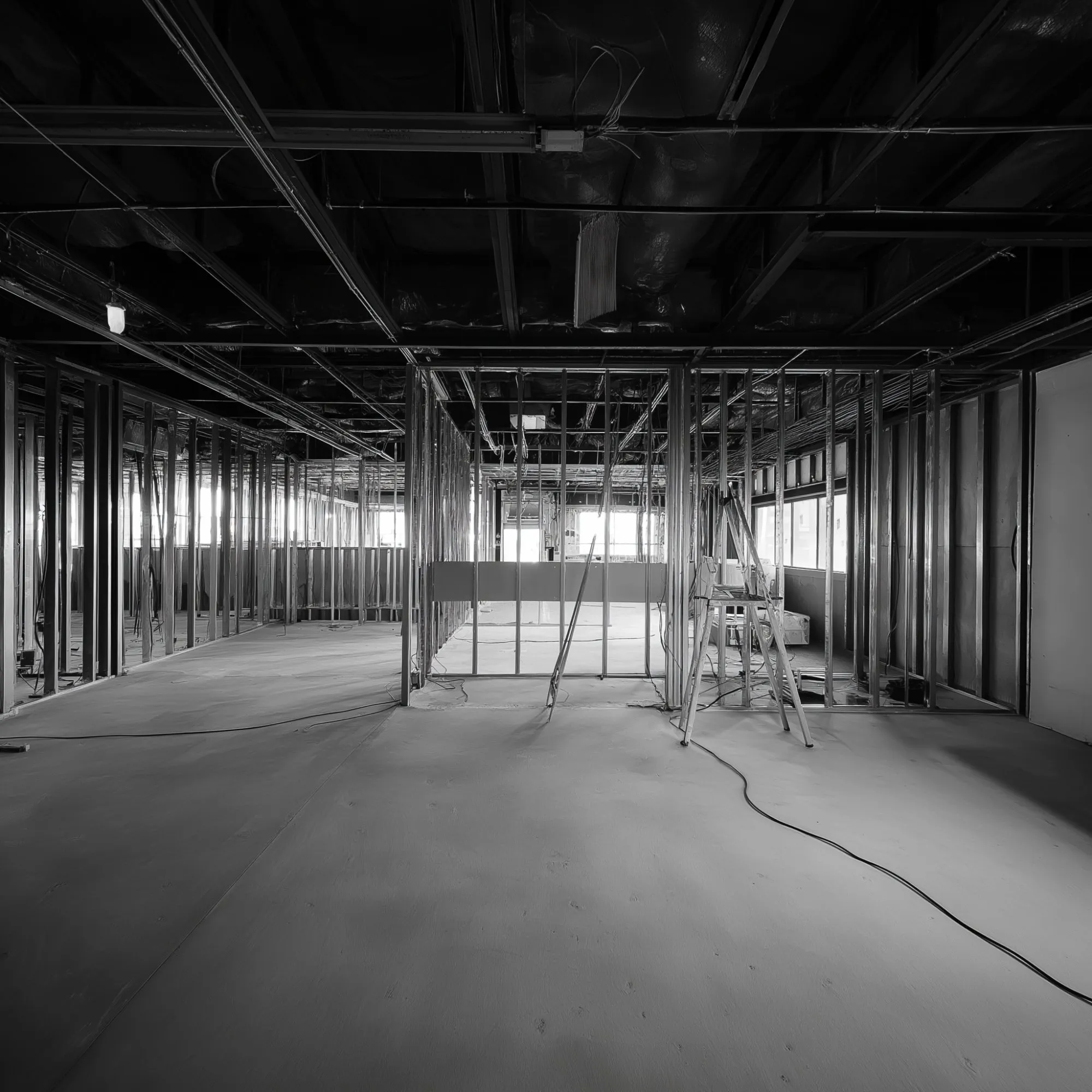


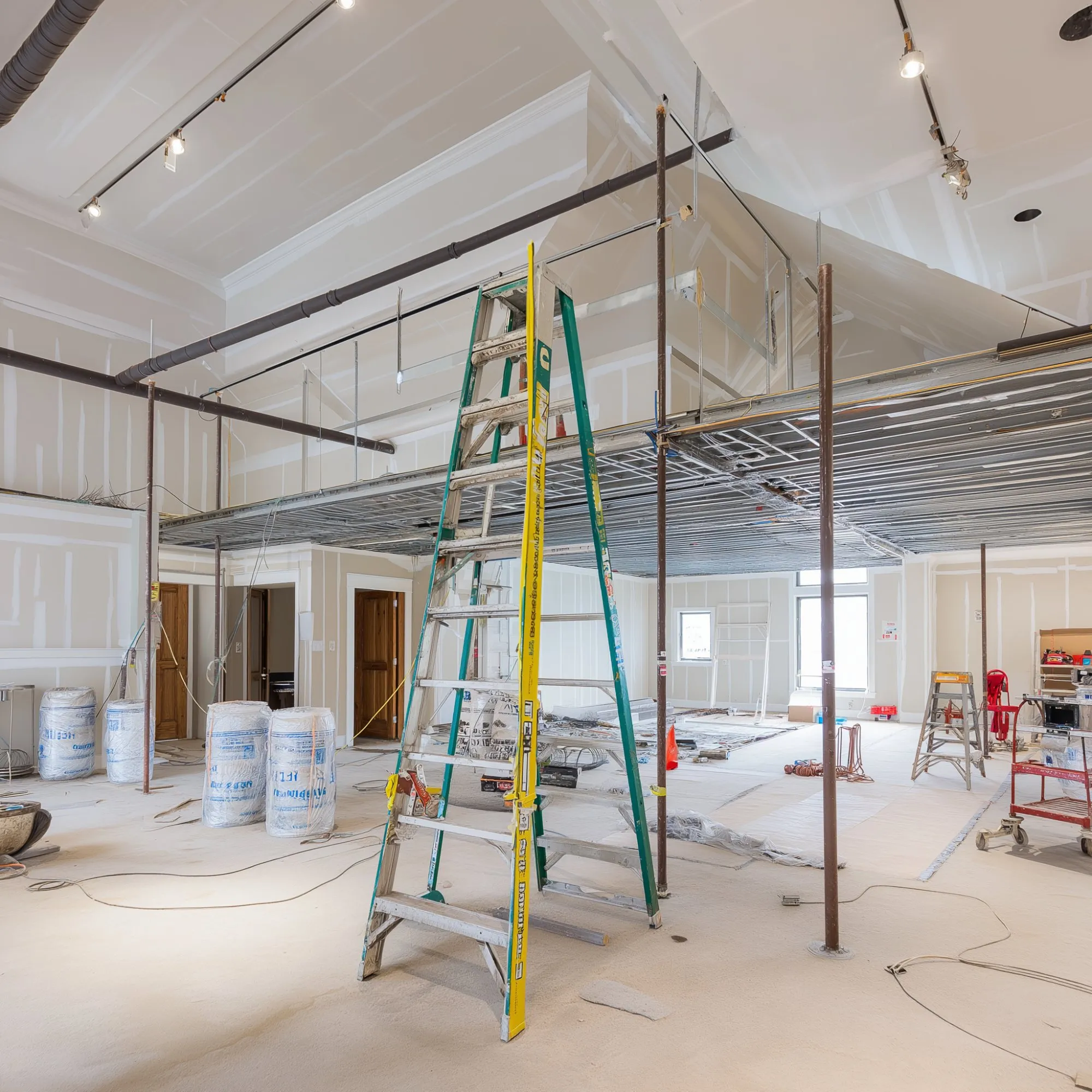
The distance between what landlords offer and what build-outs actually cost is where tenants get stuck. Knowing these gaps before you sign the lease changes the entire negotiation.
Standard TI allowances in Metro Atlanta and Central Florida typically cover cosmetic work — paint, carpet, basic lighting. Any structural modification, MEP rerouting, or ADA upgrade comes out of your pocket unless you negotiate it into the lease.
Common Gap: $15–$40/SFSecond-generation spaces have HVAC, electrical, and plumbing from the previous tenant. If your layout doesn't match, you're paying for duct relocation, circuit panel upgrades, and plumbing rough-in that the allowance rarely covers. We assess this during pre-lease walkthroughs.
High Risk If UnscopedMost leases include 2–4 months of free rent as part of the deal. Permitting alone can consume half that window if your contractor hasn't started plan review before the lease executes. BCG starts permitting in parallel with lease finalization.
Schedule RiskMulti-tenant suites require rated demising walls — typically 1-hour fire-rated assemblies that extend to the deck above. If the existing walls don't meet current code, they need to be rebuilt. This is a common surprise in older buildings being re-demised.
Code TriggerWhen your TI exceeds a certain percentage of assessed building value (typically 30%), ADA path-of-travel upgrades become mandatory — restrooms, entrances, parking, signage. This can add $20K–$80K+ depending on existing conditions.
Mandatory CostSome landlords require tenants to use their preferred contractor. Others allow tenant-controlled builds with landlord approval. The structure affects your ability to control costs, schedule, and quality. We work under both arrangements and help you navigate the approval process.
Negotiate Early
"The best time to get a construction estimate is before you sign the lease. The worst time is the day after."
— Bowser Construction GroupPaint, flooring, lighting fixture swaps, ceiling tile replacement, and minor millwork. Existing walls, MEP systems, and restrooms remain. Ideal for tenants moving into recently vacated space with acceptable floor plans. Typical range: $15–$50/SF.
New partition walls, door hardware, electrical circuit additions, data cabling, HVAC zone modifications, and lighting redesign. Restroom upgrades if required. This is the most common TI scope for professional office tenants. Typical range: $50–$150/SF.
Full demolition of existing improvements, new floor plan, structural modifications, complete MEP rough-in, fire sprinkler relocation, and new ceiling grid. Common in second-generation conversions where the previous tenant's layout is incompatible. Typical range: $100–$250/SF.
Cold dark or warm dark shell — building provides the four walls and possibly basic utility stubs. Everything from slab prep through finished space is tenant cost. Common in new construction or industrial-to-office conversions. Typical range: $150–$350+/SF.
Subdividing larger floor plates into individual suites with rated demising walls, separate HVAC zones, independent electrical panels, and individual entrances. Corridor systems, shared restrooms, and common area finishes per landlord spec. Requires coordination with building management for base building tie-ins.
Medical operatories, dental suites, test kitchens, recording studios, server rooms, and other use-specific improvements that require specialized MEP beyond standard office infrastructure. These are scoped individually based on equipment lists and regulatory requirements.
TI costs depend on scope tier, building condition, and use type. The gap between allowance and actual cost is where budget planning happens.
GA & FL markets. FF&E and furniture not included. Call (470) 230-3331 or email info@bowserconstructiongroup.com for a project-specific number.
BCG starts pre-construction during lease negotiation — not after the lease executes. This compresses your timeline and protects your free-rent window.
Site walkthrough, MEP condition assessment, as-built verification, and preliminary cost estimate. This number informs your TI allowance negotiation with the landlord.
Construction drawings, plan review submission, permit applications. BCG coordinates with your architect or provides design-build services. We submit to the building department while the lease is being finalized so permits are in hand when the clock starts.
Selective demo, framing, MEP rough-in, fire sprinkler relocation, and above-ceiling work. Inspections scheduled in sequence to avoid holds.
Drywall finish, paint, flooring, ceiling grid, millwork, lighting trim, and fixture installation. Final inspections, punch list, Certificate of Occupancy. Furniture and IT vendors coordinated for move-in week.
CO in hand. Keys delivered. Furniture installed. IT live. You're open for business inside your free-rent window — not scrambling past it.
Share your LOI, lease terms, or floor plan. We'll assess the space, identify the gap between your TI allowance and actual build-out cost, and deliver a line-item estimate that gives you negotiating leverage — before you're locked into the lease.
Now scheduling TI projects in GA & FL.
Cosmetic refreshes: $15–$50/SF. Standard office build-outs: $50–$150/SF. Heavy build-outs with full demo: $100–$250/SF. Shell-condition or medical-grade TI: $150–$600+/SF. Metro Atlanta and Central Florida labor rates are competitive compared to coastal markets, but material costs track national pricing. Your actual number depends on scope, building condition, and use type.
A TI allowance is money the landlord contributes toward your build-out, typically expressed as a per-SF dollar amount. Standard allowances in Metro Atlanta range from $20–$60/SF depending on lease term, credit quality, and building class. The key is getting a construction estimate before you negotiate the allowance — otherwise you're agreeing to a number you can't verify. BCG provides pre-lease estimates specifically for this purpose.
Cosmetic: 3–5 weeks. Standard build-out: 8–12 weeks. Heavy build-out: 10–16 weeks. Add 3–6 weeks for permitting depending on jurisdiction — Forsyth County and Orange County FL have different review cycles. BCG starts permitting in parallel with lease finalization to compress the overall schedule.
Yes — this is one of the most valuable services we provide. We walk the space, assess existing conditions, review your floor plan or program requirements, and deliver a preliminary cost estimate before you commit to the lease. This number gives you leverage to negotiate a realistic TI allowance and avoids the gap surprise after you've already signed.
Yes. Some landlords require their preferred contractor or general conditions structure. Others allow tenant-controlled builds with landlord approval of plans and contractor qualifications. BCG works under both arrangements. In landlord-controlled situations, we provide cost verification and schedule oversight to protect the tenant's interests.
Under the ADA, when the cost of your tenant improvement exceeds a threshold percentage of the assessed building value (typically 30% in most jurisdictions), you're required to spend up to 20% of your construction budget on path-of-travel accessibility upgrades — restrooms, entrances, parking, signage, and common area clearances. This is a mandatory cost that many tenants don't budget for until it's too late.
Licensed general contractor serving Metro Atlanta and North Georgia.
Licensed general contractor serving Central Florida and Greater Orlando.