Manufacturing plants and flexible industrial spaces. Licensed, bonded, and insured general contractor since 2016.
Square footage, site details, and timeline. Detailed estimate within 48 hours.
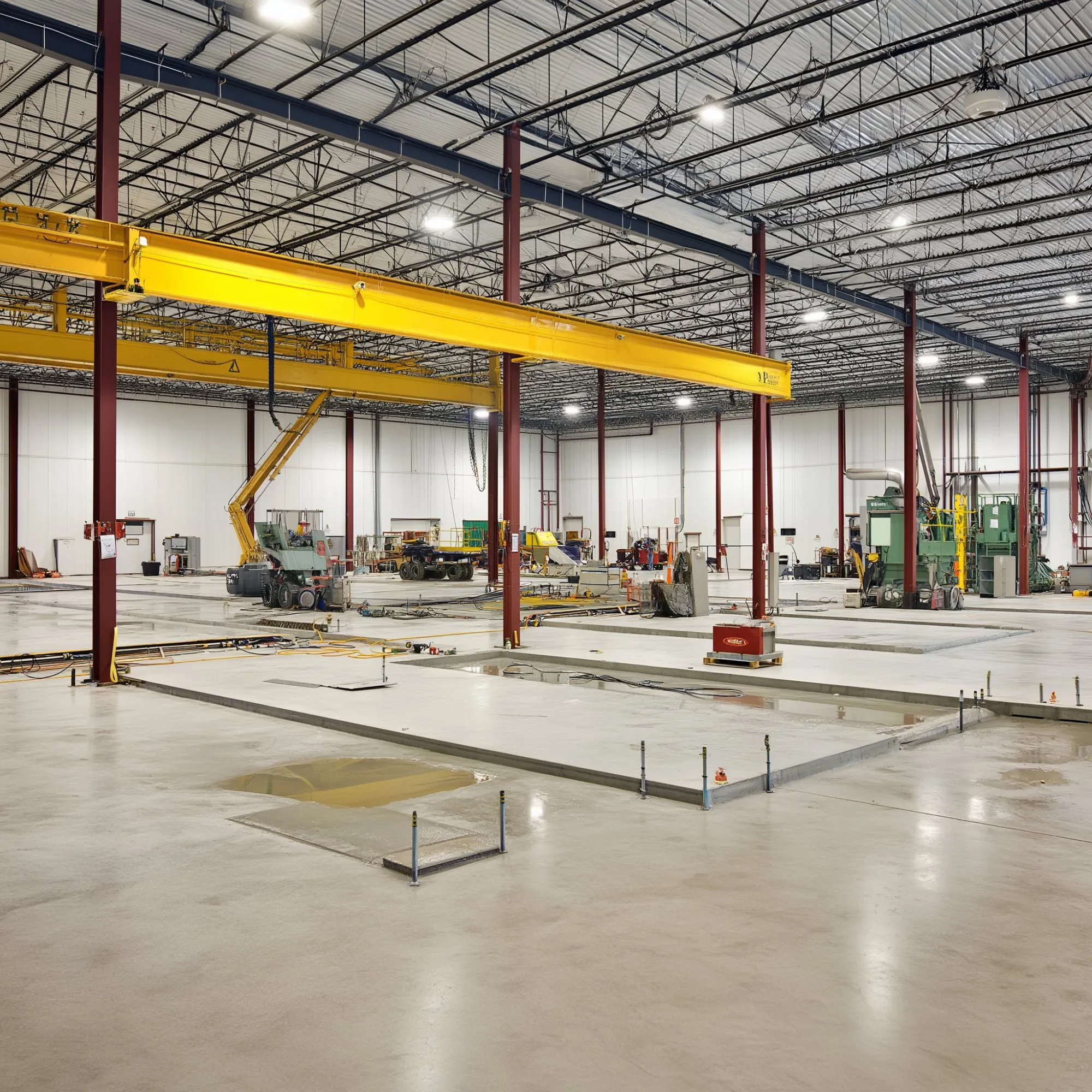
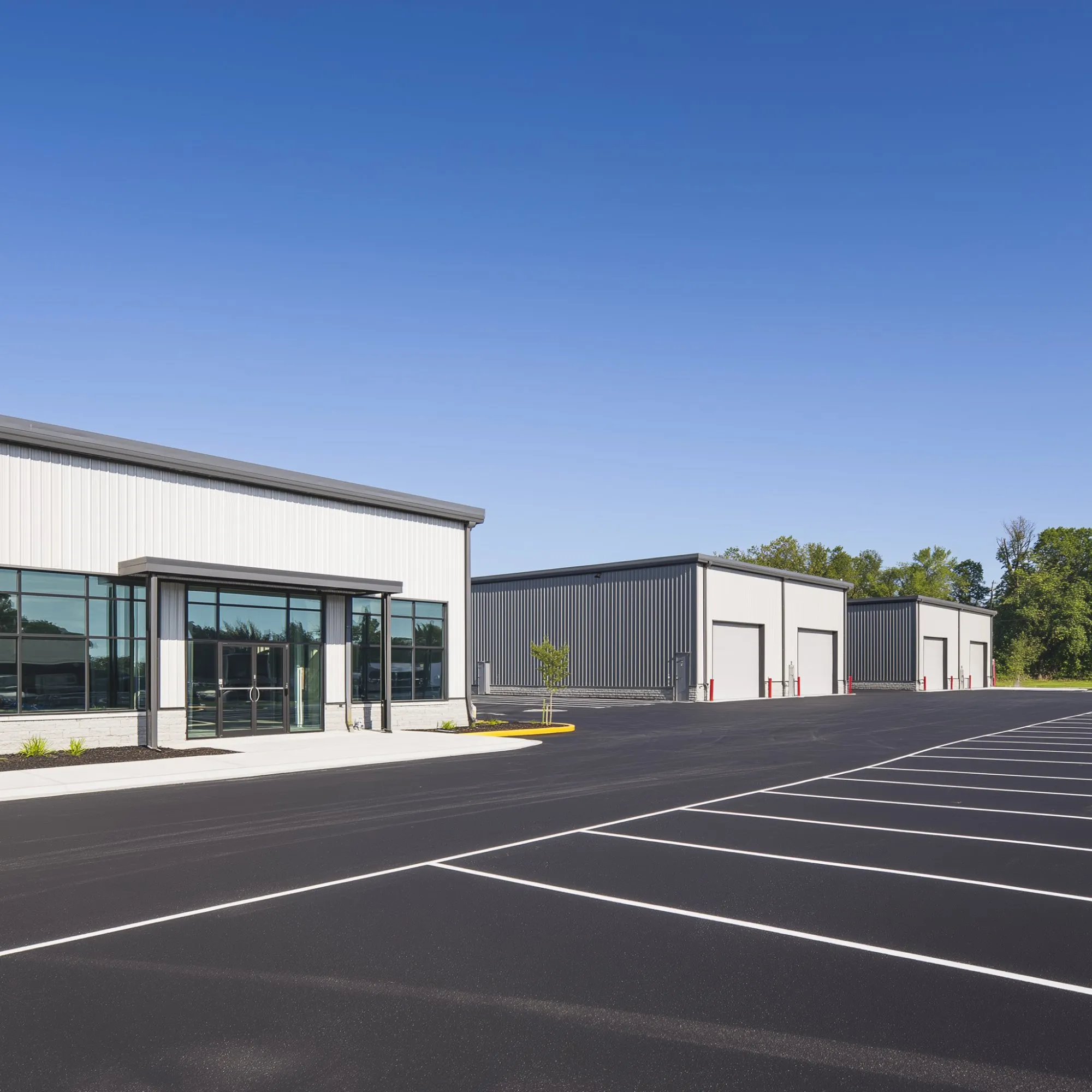
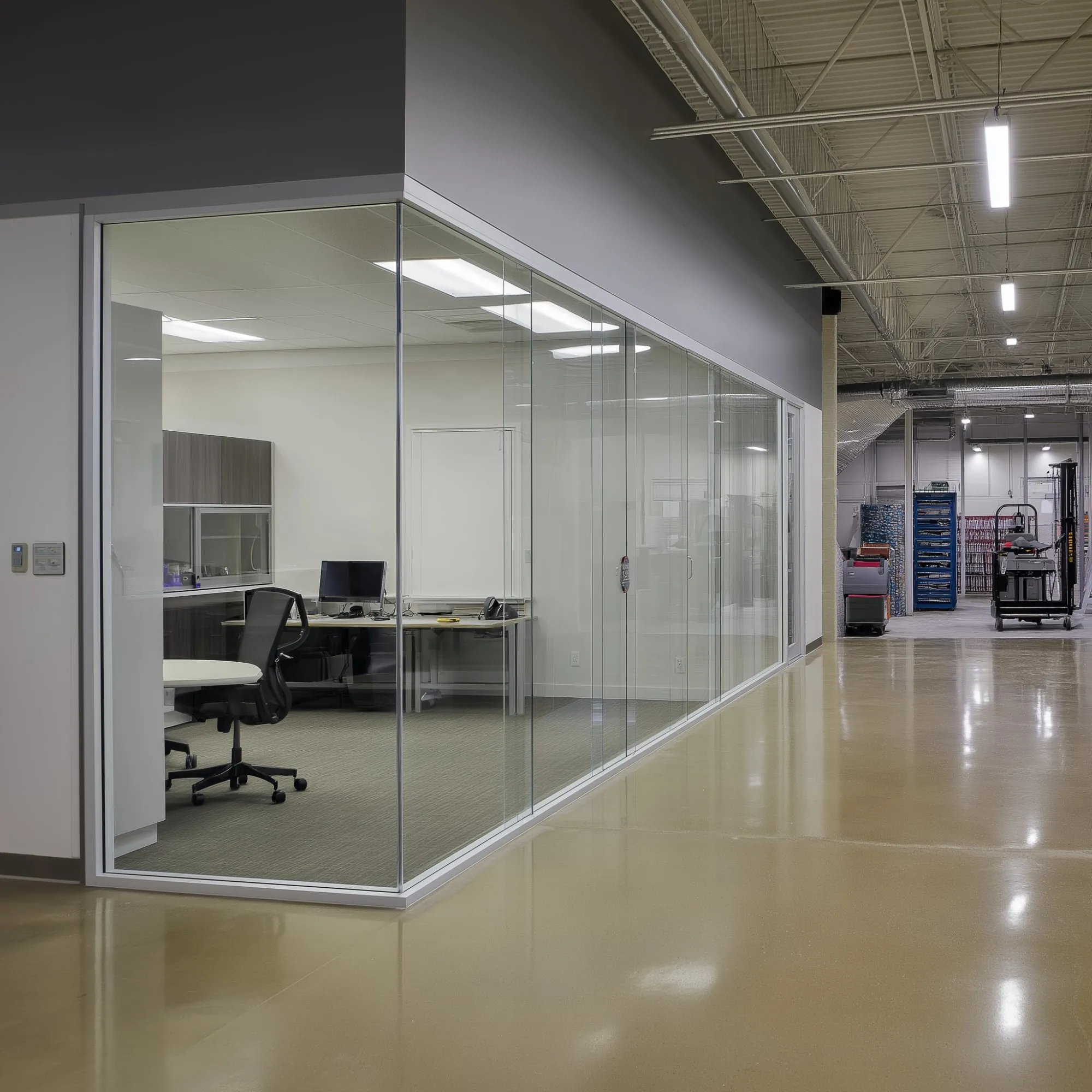
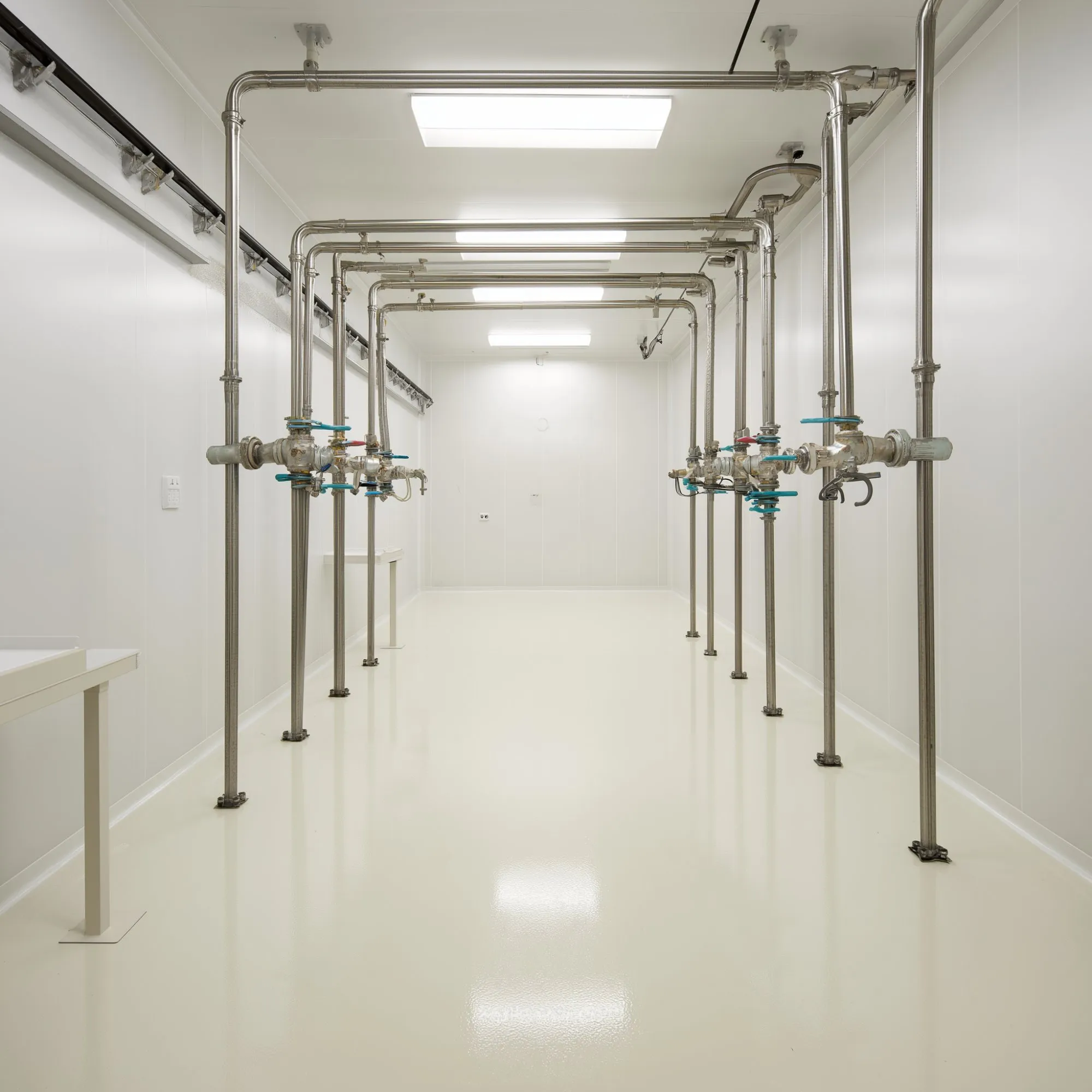
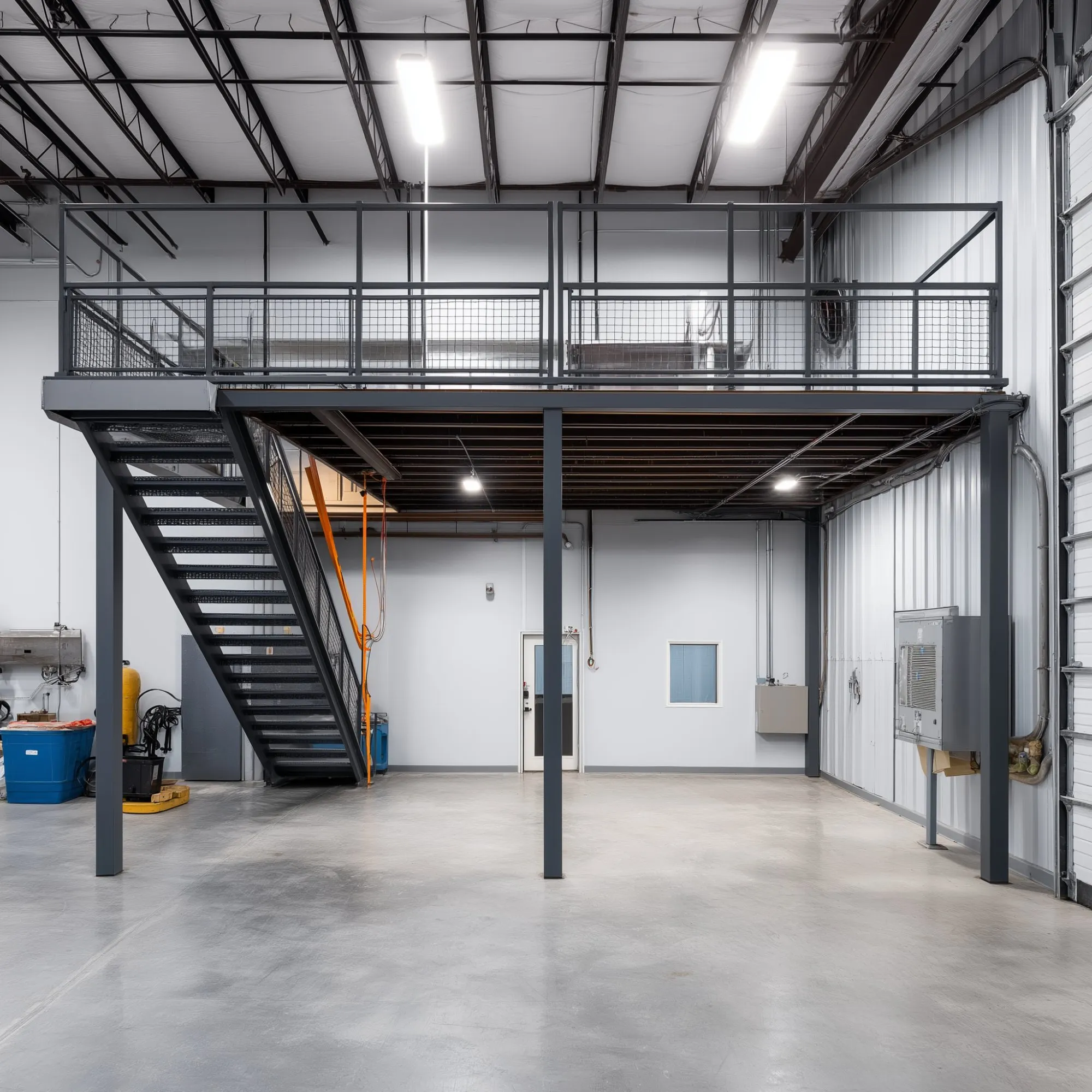
Flex and manufacturing buildings are defined by how their space is divided. BCG builds every split ratio — from pure production space to sales-forward hybrid facilities with executive offices up front.
From light assembly lines to heavy industrial process facilities, BCG designs and builds manufacturing environments around how your operation actually runs — not around generic box specs.
Assembly, packaging, light fabrication, and electronics production. 100A to 400A three-phase power distributed to production lines. 18–24 ft clear heights. Grade-level and dock-high access combinations. Climate-controlled environments suitable for ISO-level cleanroom adjacencies.
Structural steel frames designed for overhead crane loads of 5–50+ tons. Reinforced concrete slabs for heavy equipment and vibration isolation. High-amperage electrical services up to 2,000A. Exhaust ventilation, process piping, compressed air distribution, and floor drains designed around your production process.
Multi-tenant or single-user buildings with configurable office-to-warehouse ratios. Front office suites with glass storefronts face the street. Production or warehouse bays extend to the rear. Independent HVAC zones per unit, separate electrical sub-meters, and demising walls built to accommodate future reconfiguration.
USDA and FDA-compliant facility construction. Epoxy and quarry tile flooring, coved base transitions, fiberglass-reinforced wall panels, and stainless steel floor drains. Grease trap design, CIP system plumbing, and industrial exhaust hoods. Health department plan review managed concurrent with building department review.
Laboratory casework, fume hood exhaust systems, chemical-resistant flooring, and dedicated HVAC with 100% outside air configurations. BCG builds R&D facilities adjacent to or integrated with manufacturing floors — wet labs, testing chambers, and prototyping spaces purpose-built to your research program.
For-sale industrial condo developments sized 1,500–5,000 SF per unit. Each unit with its own overhead door, electrical meter, and HVAC system. Site improvements include parking, landscaping, and monument signage. BCG builds the entire park — developer delivers finished units to buyers at CO.
Power requirements define what a manufacturing facility can actually produce. BCG designs electrical distribution around your equipment schedule — not around what the utility drops at the property line.
| Facility Type | Typical Service | Voltage | Key Infrastructure | Class |
|---|---|---|---|---|
| Light Assembly | 200 – 400A | 208/120V or 480V 3Ø | Panel per zone, duplex outlets at 6-ft spacing along production lines | Standard |
| Light Manufacturing | 400 – 800A | 480/277V 3Ø | Sub-panels at machine clusters, 480V drops per CNC/press location | Standard |
| Flex Industrial | 200A per unit | 480/277V 3Ø | Sub-metered per tenant bay, independent disconnects at overhead doors | Standard |
| Food Production | 800A – 1,200A | 480/277V 3Ø | Refrigeration circuits, GFCI throughout production floor, GFI in wet areas | Heavy |
| Heavy Manufacturing | 1,200A – 2,000A | 480/277V 3Ø | Crane rail bus duct, dedicated transformer pads, emergency generator tie-in | Heavy |
BCG reviews your equipment list and load schedule to size electrical service correctly before permit submission.
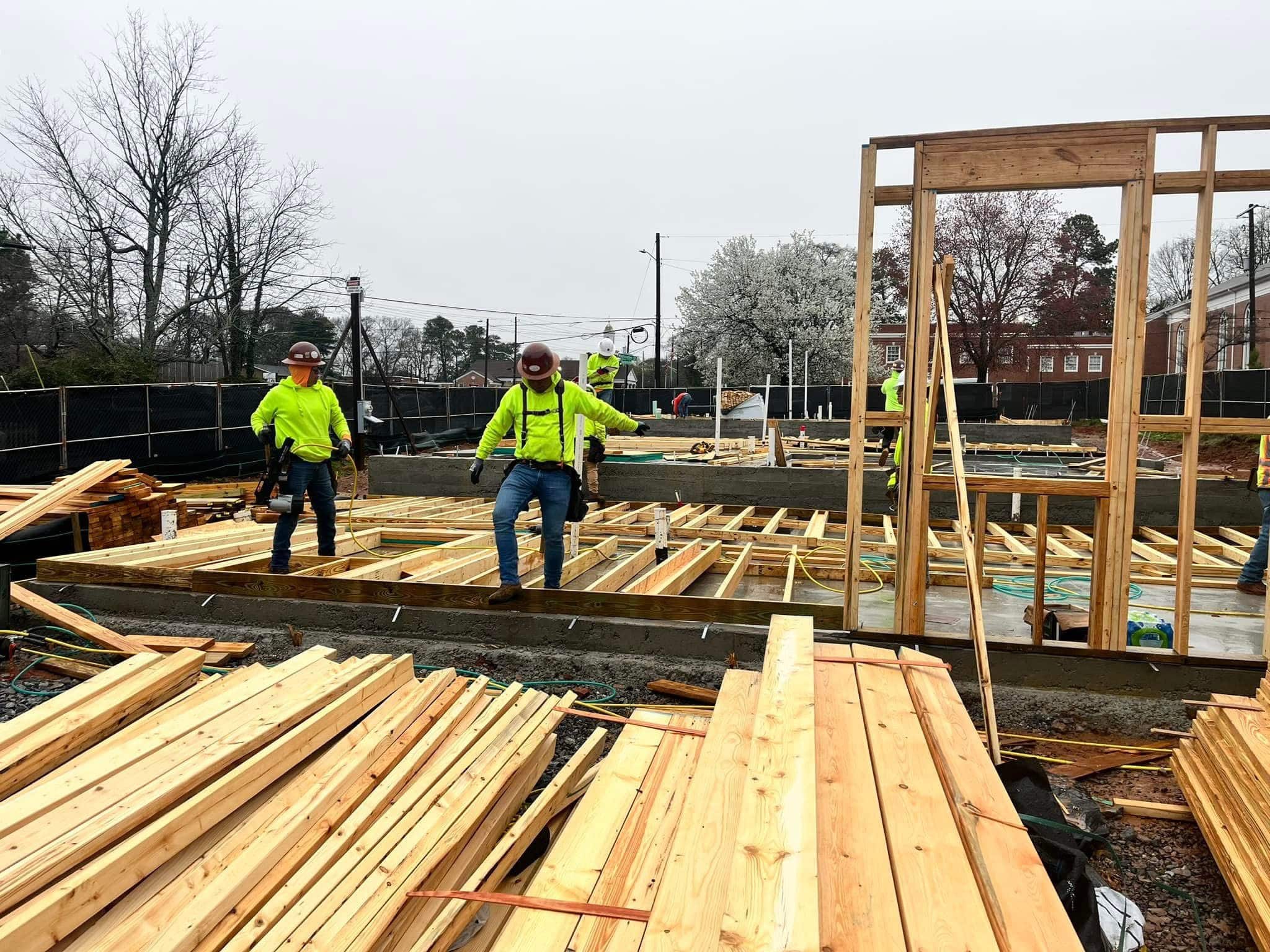
"Your process determines your building. Not the other way around. We start with how you make things — then we design the facility around that."
— Bowser Construction GroupBCG begins with your production process, not a floor plan. We review your equipment footprint, utility requirements, material flow, and workforce headcount to develop a facility program before structural design begins. Building size, clear height, column grid, power service, and utility infrastructure are all derived from how you manufacture.
Manufacturing facilities require structural frames designed for process loads — not just wind and seismic. Overhead crane runway beams, mezzanine structures, roof openings for exhaust stacks, equipment pads with isolation joints, and vibration-damped foundations for CNC equipment. BCG coordinates structural engineers who understand manufacturing loads.
Manufacturing floors carry loads office floors never see. BCG designs slab thickness, reinforcement, and subgrade preparation around your equipment's point loads and dynamic loads. Equipment pads with anchor bolt templates are installed before the production floor is poured — not cut in after. Floor flatness specifications are set per your production equipment requirements.
Compressed air distribution, natural gas piping to furnaces and process equipment, chilled water piping for coolant systems, process drain lines, and industrial exhaust ductwork. BCG coordinates licensed mechanical engineers and specialty subcontractors for each utility system. Process piping is installed before the production floor is poured — underground coordination is handled before slabs are cast.
Industrial processes generate heat, fumes, and particulates that standard HVAC cannot handle. BCG designs and builds process exhaust systems, makeup air units, explosion-proof ventilation for classified areas, and paint booth exhaust with fire suppression where required. All ventilation systems are designed and permitted under a separate mechanical permit in both Georgia and Florida.
Manufacturing facilities need offices that close clients and retain workers. BCG builds executive office suites, showrooms, training rooms, locker rooms with showers, and cafeterias that reflect what your company actually is. The quality of your front office signals the quality of what you make behind it.
Manufacturing costs vary more than any other building type because process infrastructure drives cost — not just square footage. Ranges reflect 2025–2026 hard construction costs in Georgia and Florida.
Hard costs only — excludes land, site development, process equipment, and FF&E. Call (470) 230-3331 or info@bowserconstructiongroup.com for project-specific pricing.
Manufacturing facilities operate at the intersection of building code, fire code, OSHA, EPA, and health department regulations. BCG manages every permit track from day one.
Manufacturing occupancies are classified as Factory Group F-1 (moderate-hazard) or F-2 (low-hazard) under IBC and FBC. Process operations with flammable materials require H-occupancy designation with explosion-proof electrical, enhanced ventilation, and secondary containment. BCG determines the correct occupancy during pre-construction and designs the building to match.
Manufacturing facilities with certain hazardous chemicals above threshold quantities trigger OSHA Process Safety Management requirements. BCG coordinates licensed industrial hygienists and safety engineers during design to ensure process areas, chemical storage, emergency relief systems, and emergency response infrastructure meet OSHA 1910.119 and EPA Risk Management Program requirements.
Manufacturing operations that emit air contaminants — paint spray, welding fumes, wood dust, chemical exhaust — may require Title V or synthetic minor air permits. BCG coordinates environmental consultants for air permit applications during the design phase so equipment selections do not trigger permit conditions after the building is constructed.
Food and beverage facilities require plan review by county health departments in addition to building departments. USDA-inspected facilities require USDA-reviewed drawings and HACCP-compliant construction. BCG manages concurrent health department and building department plan review submissions to prevent schedule delays from sequential review processes.
Ranges reflect a 20,000–60,000 SF light-to-moderate manufacturing facility in Georgia or Florida. Heavy manufacturing and food processing extend timelines by 3–6 months for process utility installation.
Equipment list review, utility requirement assessment, material flow analysis, and workforce headcount confirmed. Structural engineer engaged. Equipment vendors contacted for dimensional drawings, anchor bolt templates, and utility connection points. Permitting strategy confirmed with local AHJ.
Architectural drawings, structural engineering, MEP design, and process utility drawings completed and submitted. Air permit application initiated if required. Steel and specialty equipment ordered during plan review to absorb procurement lead time. Health department review submitted concurrently for food production facilities.
Grading, underground utilities, and building pad. Equipment pads and crane rail foundations installed. Underground process piping — compressed air, gas, drains — installed before slab pour. Structural steel or tilt-wall erection. Building envelope completed. Equipment anchor bolts set at exact locations per vendor templates.
Electrical distribution to production line drops. HVAC, process exhaust, and makeup air installation. Compressed air distribution, gas piping, and chilled water systems. Overhead crane installation if included. Building inspections cleared in parallel with process utility installation to compress the schedule.
Production floor surface treatment, office finishes, and exterior site work. Mechanical and electrical commissioning with process utility testing. Final inspections: building, mechanical, electrical, fire, and health department if applicable. Certificate of Occupancy issued. Equipment installation can begin on CO day.
Send us your equipment list, process requirements, or a rough sketch of your production floor. We'll deliver a trade-by-trade estimate — before you sign a lease or break ground.
Now scheduling manufacturing & flex projects in GA & FL.
“[REPLACE: Real client quote about manufacturing facility or flex space construction — power infrastructure, process utilities, overhead crane coordination, or project delivery. Must match Review schema before publishing.]”
Light manufacturing runs $75–$135/SF in hard costs. Heavy manufacturing with crane structures, high-amperage electrical, and process utilities ranges from $110–$200/SF. Food and beverage production facilities with health-department-compliant finishes run $120–$210/SF. The single biggest cost variable is your process utility package — BCG reviews your equipment list before providing an estimate.
A flex industrial building is designed for a wide range of tenants with 18–24 ft clear heights, standard electrical service, and a mix of office and industrial space. A purpose-built manufacturing building is designed around a specific production process, with structural loads for cranes or heavy equipment, dedicated process utilities, specialized exhaust systems, and electrical service scaled to production demand.
Yes. BCG coordinates overhead crane installation as part of the construction scope. Crane runway beams are designed into the structural frame, and end stops, conductor bar raceways, and crane disconnect switches are installed as part of the electrical scope. BCG works directly with your crane vendor during design to confirm runway beam sizing, camber requirements, and electrical disconnect locations before structural steel is fabricated.
Yes. BCG builds FDA and USDA-compliant food production and processing facilities in both Georgia and Florida. Scope includes epoxy or quarry tile flooring, coved base transitions, FRP wall panels, stainless steel floor drains, grease traps, industrial exhaust hoods, CIP system plumbing, and HACCP-compliant surface finishes. Health department plan review is submitted concurrently with building department review to avoid schedule delays.
Standard flex industrial buildings are typically 20–30% office and 70–80% industrial/warehouse. Some zoning districts cap the office percentage for industrial-zoned properties. BCG reviews zoning requirements for your specific site before programming begins to ensure the office-to-industrial ratio qualifies for your intended property use and any applicable incentives in Georgia or Florida industrial zones.
Yes. BCG is licensed in both states. Georgia HQ in Cumming, GA serves Metro Atlanta and North Georgia. Florida office in Winter Park, FL serves the I-4 corridor including Orange, Seminole, Osceola, and Volusia counties. Both offices manage local permitting, health department coordination, and inspections in their respective markets.
Metro Atlanta, North Georgia, and surrounding counties — commercial, residential, and industrial construction.
Central Florida and the greater Orlando metro — same licensed, insured operation and quality standards we deliver in Georgia.