
Restaurant Construction: 10 Essential Steps to Build Your Dream Space in 2026
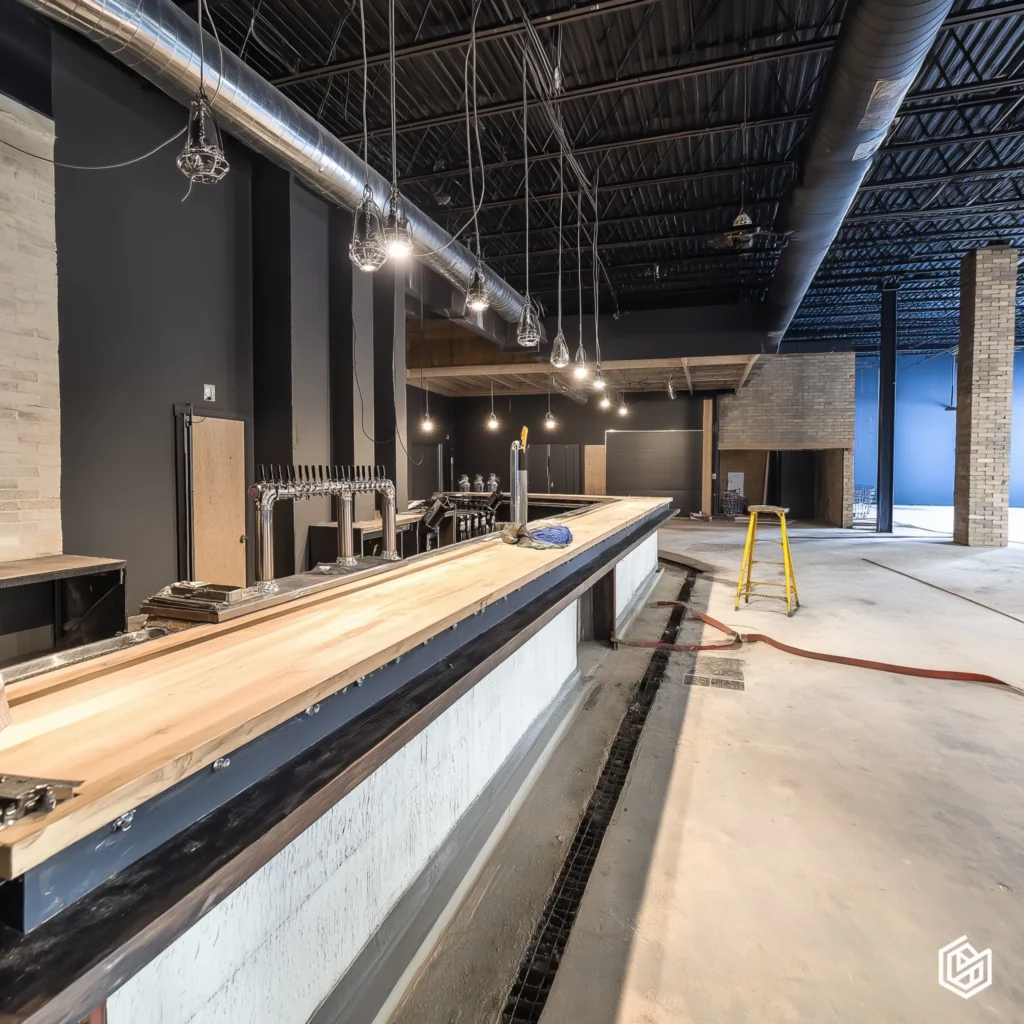
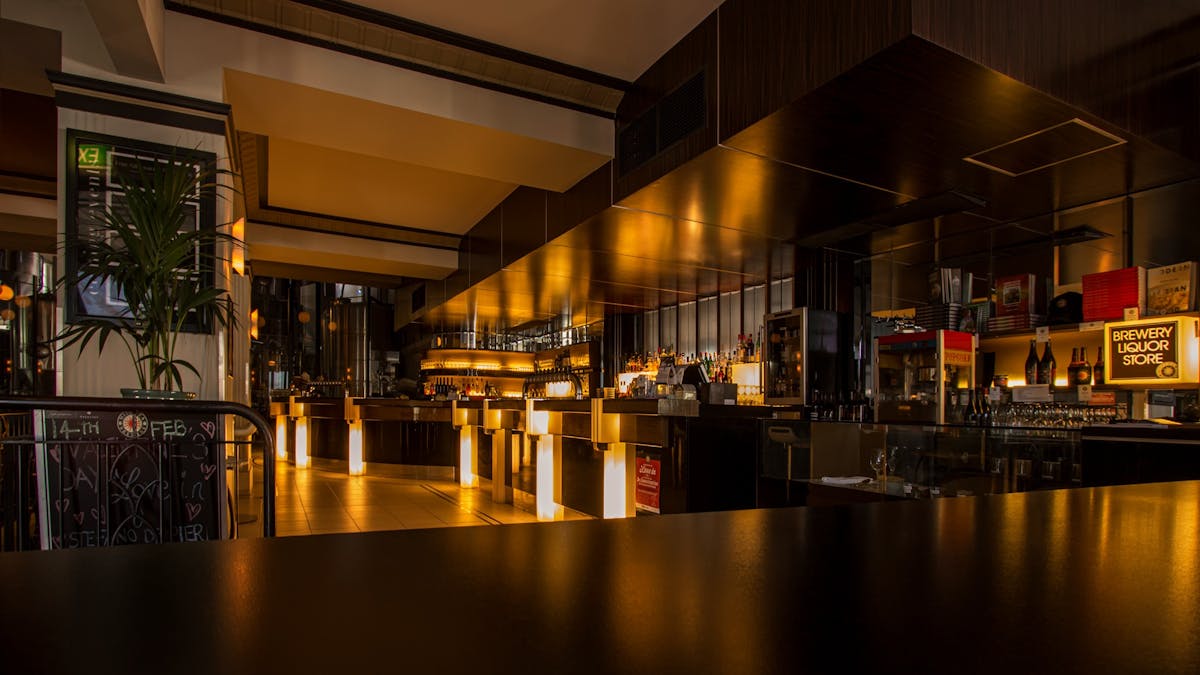
Restaurant construction is one of the most complex types of commercial build-outs. Unlike a standard office or retail space, restaurants require specialized mechanical systems, commercial-grade kitchen equipment, grease traps, fire suppression, increased electrical capacity, and health department approvals — all within a space designed to create an exceptional dining experience.
Whether you are opening your first location or expanding an existing concept, understanding the restaurant construction process helps you avoid the costly surprises that sink new restaurants before they ever serve a meal. Here are the 10 essential steps every restaurant owner needs to follow.
- Define Your Concept and Space Requirements
- Site Selection and Lease Negotiation
- Restaurant Design and Kitchen Layout
- Hire a Restaurant Construction Contractor
- Permits and Health Department Approvals
- MEP Systems: Plumbing, Electrical, and HVAC
- Commercial Kitchen Installation
- Interior Finishes and Dining Room Build-Out
- Final Inspections and Certificate of Occupancy
- Restaurant Construction Costs and Timelines
1. Define Your Concept and Space Requirements
Before starting any restaurant construction project, define your concept — fast casual, full service, bar and grill, fine dining — because it drives every design and construction decision that follows. A fast-casual concept needs heavy front-of-house counter space and a visible prep line, while a fine dining restaurant requires a more elaborate back-of-house kitchen and climate-controlled wine storage.
Most restaurants require 15-20 square feet per seat in the dining area, plus 40-60% of total space for the kitchen, storage, restrooms, and mechanical rooms. A 3,000 square foot space typically yields 80-100 seats depending on layout.
2. Site Selection and Lease Negotiation
Your lease negotiation directly impacts your build-out costs. Key items to negotiate include tenant improvement (TI) allowances, landlord responsibility for base building systems, and buildout timelines. Make sure your lease allows the specific use you intend — some commercial leases restrict restaurant operations due to grease, odor, and noise concerns.
For a deeper look at negotiating build-out budgets, see our guide on commercial construction budgeting.
3. Restaurant Design and Kitchen Layout
Restaurant construction requires specialized architectural design that addresses both front-of-house aesthetics and back-of-house functionality. Your kitchen layout must account for equipment placement, workflow efficiency, fire suppression zones, and health code clearances.
The National Restaurant Association recommends working with a foodservice consultant during the design phase to ensure your kitchen layout supports efficient operations and meets all code requirements.
4. Hire a Restaurant Construction Contractor
Not every commercial general contractor has restaurant experience. Restaurant construction demands specific expertise in commercial kitchen ventilation, grease trap installation, Type I and Type II hood systems, Ansul fire suppression, and health department requirements.
Ask potential contractors about their restaurant-specific experience and request references from completed restaurant projects. A contractor who specializes in restaurant and commercial kitchen construction will anticipate issues that general commercial contractors may miss.
5. Permits and Health Department Approvals
This type of project requires more permits than most commercial projects. Beyond standard building permits, you will need health department plan review and approval, fire marshal review for hood suppression systems, and potentially liquor license considerations that affect your bar layout and service areas.
Start the permitting process early — health department reviews can take 4-8 weeks in some jurisdictions, and construction cannot begin until approvals are in hand.
6. MEP Systems: Plumbing, Electrical, and HVAC
Restaurant construction places extraordinary demands on mechanical, electrical, and plumbing (MEP) systems. Commercial kitchens require 200-400 amp electrical services (compared to 100-200 amps for typical offices), dedicated grease waste lines, floor drains at every equipment station, and makeup air systems that replace the massive volume of air exhausted by kitchen hoods.
HVAC is particularly critical. Kitchen exhaust hoods remove thousands of cubic feet of conditioned air per minute, and your HVAC system must be designed to maintain comfortable dining room temperatures while accounting for this air loss. According to ASHRAE, restaurant HVAC systems must handle 2-3 times the air volume of comparable office spaces.
7. Commercial Kitchen Installation
Equipment installation is one of the most coordination-intensive phases of a restaurant build. Walk-in coolers, cooking lines, dishwashing systems, and prep stations all require specific utility connections — gas, electric, water, and drain — that must be roughed in before walls and floors are finished.
Equipment lead times can run 8-16 weeks, so ordering should begin during the permitting phase, not after construction starts.
8. Interior Finishes and Dining Room Build-Out
The dining room is where your brand comes to life. These finishes must balance aesthetics with durability — commercial-grade flooring, washable wall surfaces, sound-absorbing materials, and lighting that creates the right ambiance while meeting code-required illumination levels.
Restrooms in restaurants face particularly strict code requirements including specific fixture counts based on occupancy, ADA compliance, and hand-washing station requirements. These details are outlined in local building codes and the International Building Code.
9. Final Inspections and Certificate of Occupancy
Restaurant construction projects typically require multiple final inspections: building, fire, mechanical, plumbing, electrical, and health department. Each inspection must pass before the certificate of occupancy is issued and you can legally open for business.
A thorough punch list process before scheduling final inspections helps ensure everything passes on the first attempt. Failed inspections mean delays — and in the restaurant business, every day you cannot open costs real money.
10. Restaurant Construction Costs and Timelines
Restaurant construction costs in Georgia and Florida typically range from $150 to $350+ per square foot, depending on concept, location, and finish level. Fast-casual buildouts on the lower end, full-service restaurants in the middle, and fine dining or high-concept spaces at the top.
Timelines vary based on scope: a basic fast-casual buildout in an existing shell may take 8-12 weeks, while a ground-up build can run 6-12 months.
For more on managing commercial construction costs, see our guides on change orders and construction insurance and bonds.
Bowser Construction Group has extensive experience with restaurant construction across Georgia and Florida, including full-service restaurants, fast-casual concepts, bars, breweries, and food halls. Request a free estimate or call (470) 230-3331.