
Office Construction: 8 Proven Steps to Build a Productive Workspace in 2026
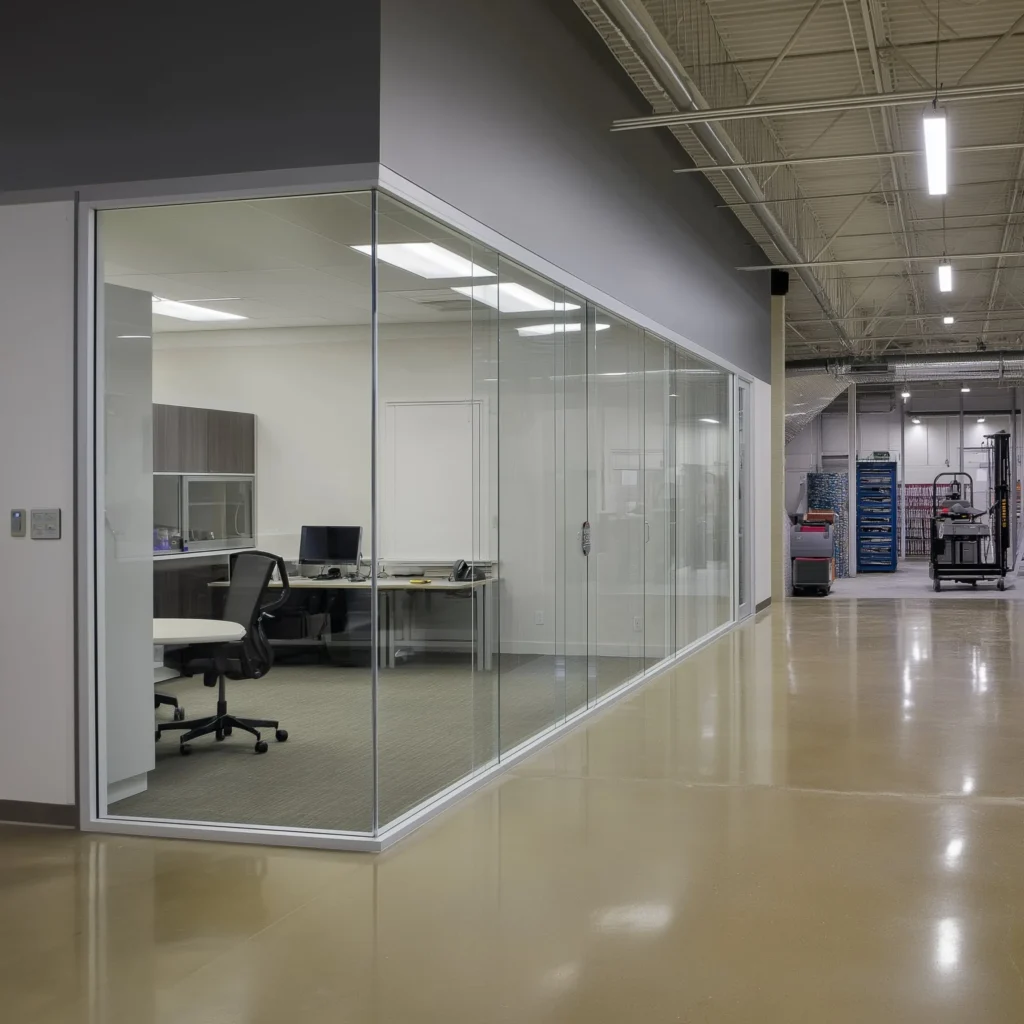
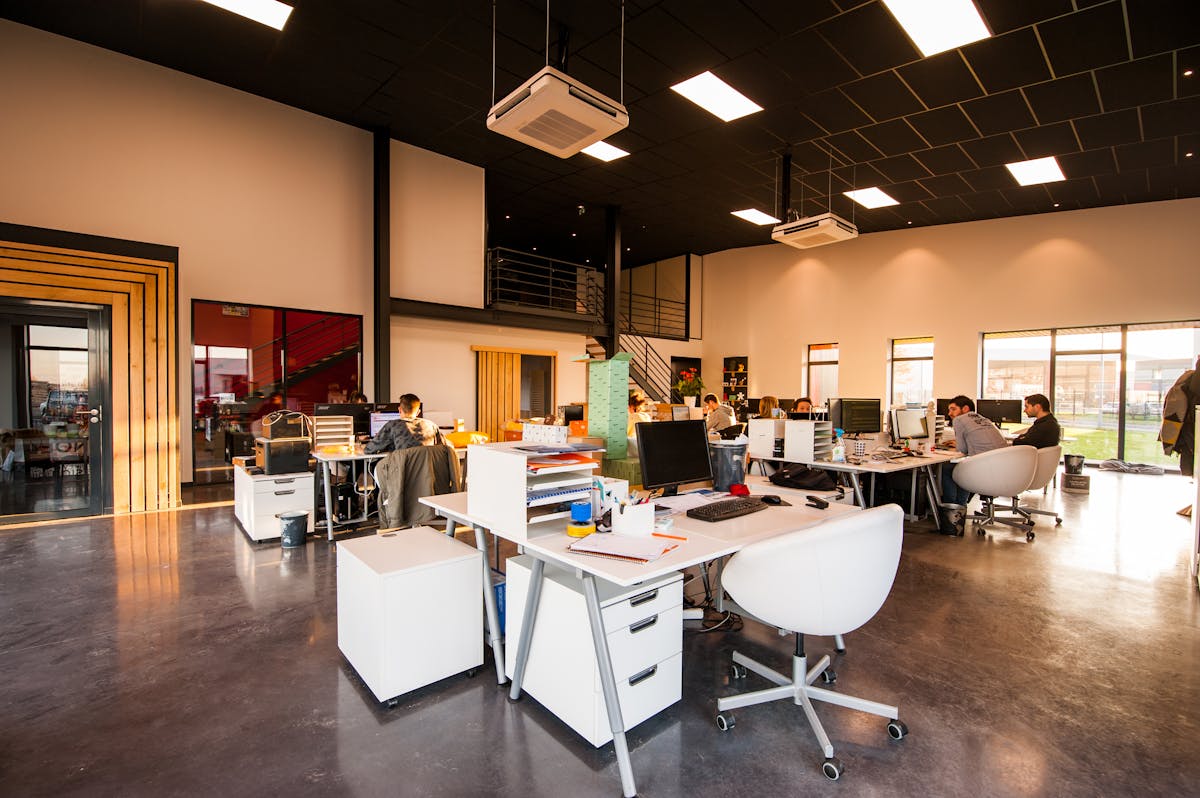
Office construction has changed dramatically in recent years. Hybrid work models, evolving technology requirements, and employee wellness priorities have reshaped how modern offices are designed and built. Whether you are constructing a new corporate headquarters, building out a leased suite, or renovating an existing workspace, understanding the office construction process ensures your finished space supports both your team and your bottom line.
This guide walks you through 8 proven steps for a successful office construction project in 2026.
- Assess Your Space Needs and Work Patterns
- Office Design and Space Planning
- Select Your Office Construction Contractor
- Establish Your Office Construction Budget
- Permitting and Code Compliance
- The Office Construction Build-Out Phase
- Technology Infrastructure and Low-Voltage
- Closeout, Move-In, and Warranty
1. Assess Your Space Needs and Work Patterns
Modern office construction starts with understanding how your team actually works. Before selecting finishes or drawing layouts, determine your headcount projections, meeting room requirements, collaboration vs. focus work ratios, and remote work policies.
The general rule of 150-250 usable square feet per employee still applies, but hybrid models may reduce your footprint with hot-desking and shared spaces. The U.S. General Services Administration (GSA) publishes workplace utilization guidelines that help organizations right-size their workspace projects.
For detailed planning guidance, see our office space planning guide.
2. Office Design and Space Planning
Workspace design must balance aesthetics, functionality, and building code requirements. Key considerations include natural light distribution, acoustics between open and enclosed areas, HVAC zoning for different space types, and ADA accessibility throughout.
Private offices, conference rooms, open workstations, break rooms, server rooms, and reception areas each have specific construction requirements for electrical, data, lighting, and HVAC. Getting the layout right in design prevents expensive changes during construction.
3. Select Your Office Construction Contractor
Choose a commercial general contractor with specific office build-out experience. This type of build has unique requirements — raised access flooring, demountable partition systems, specialized HVAC controls, and complex low-voltage infrastructure — that general residential contractors are not equipped to handle.
Request detailed proposals from at least three qualified contractors. Look for line-item pricing, clear timelines, and strong references from comparable commercial build-out projects. Bowser Construction Group provides office and retail construction services across Georgia and Florida.
4. Establish Your Office Construction Budget
Office construction costs in 2026 typically range from $80 to $250+ per square foot depending on finish level, location, and scope. A basic build-out with standard finishes falls on the lower end, while Class A executive suites with custom millwork, glass fronts, and high-end finishes reach the upper range.
Always include a 10-15% contingency for unforeseen conditions — especially in existing buildings where hidden conditions behind walls are common. Our commercial construction budgeting guide explains how to structure your budget for maximum cost control.
5. Permitting and Code Compliance
Even tenant improvement build-out projects require building permits. Your construction permits will cover structural modifications, mechanical systems, electrical work, plumbing changes, and fire protection. Permit timelines vary by jurisdiction — plan for 2-6 weeks in most Georgia and Florida municipalities.
Key code considerations for commercial build-outs include occupancy load calculations (which determine exit widths and restroom counts), fire sprinkler requirements, energy code compliance per U.S. Department of Energy standards, and ADA accessibility requirements for all public areas.
6. The Office Construction Build-Out Phase
The construction phase typically follows this sequence: demolition of existing conditions, rough framing of new walls, MEP rough-in (mechanical, electrical, plumbing), insulation and drywall, painting, flooring, millwork and casework installation, and final fixture installation.
A typical 5,000-10,000 square foot commercial office project takes 8-16 weeks depending on complexity. Maintaining a clean, organized job site and coordinating trades efficiently is critical — especially in occupied buildings where business operations continue during construction. Good construction project management keeps everything on track.
7. Technology Infrastructure and Low-Voltage
A modern workspace build must accommodate extensive technology infrastructure: structured cabling (Cat6a or fiber), wireless access point locations, conference room AV systems, security and access control, and power distribution for high-density workstation areas.
Plan technology infrastructure during the design phase, not as an afterthought during construction. Running cables and conduits after walls are closed is expensive and disruptive. Work with your IT team to map every data drop, power outlet, and AV connection before framing begins.
8. Closeout, Move-In, and Warranty
Before moving into your new office, complete a thorough punch list inspection documenting any deficiencies that need correction. Obtain the certificate of occupancy, collect all equipment warranties and maintenance manuals, and verify that all building systems are commissioned and operating correctly.
Plan your move-in timeline carefully — furniture delivery, IT equipment installation, and staff onboarding should be sequenced to minimize disruption. Most commercial contractors provide a one-year workmanship warranty covering defects that appear after occupancy.
If you are planning an office construction project in Metro Atlanta, North Georgia, or Central Florida, contact Bowser Construction Group for a free estimate. We deliver tenant improvements and full office build-outs with detailed schedules, transparent pricing, and hands-on project management. Call (470) 230-3331.