
Construction Site Safety: 5 Essential Tips Every Project Owner Must Know in 2026

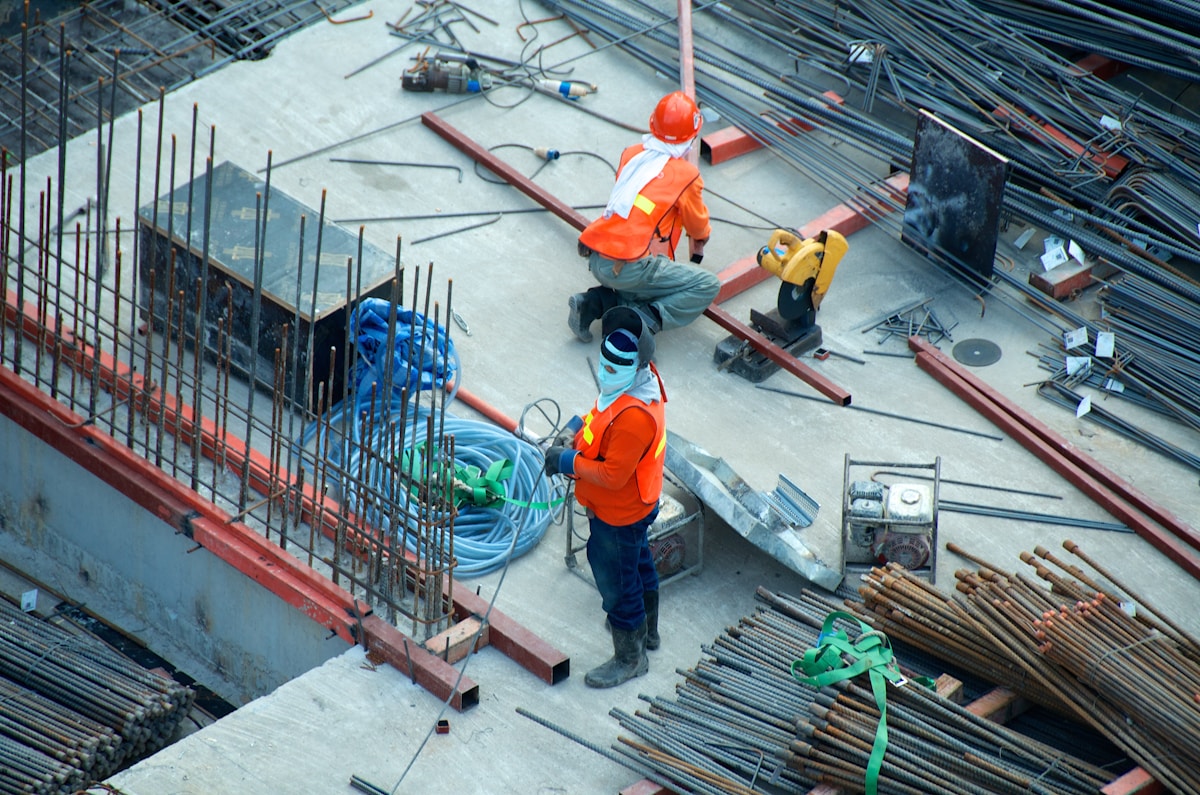
Construction site safety is not just the contractor’s responsibility — it directly impacts your project timeline, your budget, and potentially your legal exposure. Construction is inherently hazardous. Workers operate heavy equipment, work at heights, handle power tools, and navigate constantly changing environments every single day. Your general contractor’s approach to construction site safety affects not just workers — it affects everything about your project’s success.
At Bowser Construction Group, we believe that safety and quality go hand in hand. Here are the five essential things every project owner should understand about construction site safety before breaking ground.
Why Construction Site Safety Matters to Project Owners
Project Impact
Accidents delay projects — often significantly. According to the Occupational Safety and Health Administration (OSHA), the construction industry accounts for one in five worker fatalities nationwide. An OSHA investigation can shut down work for days or weeks. Even minor incidents disrupt productivity as workers deal with paperwork, medical attention, and formal investigation procedures.
Liability Exposure
While contractors carry insurance and are primarily responsible for construction site safety, owners are not entirely insulated. If you are aware of hazardous conditions on your project and fail to address them, potential liability exists. The Associated General Contractors of America (AGC) recommends that owners establish clear safety expectations in every construction contract.
Reputation and Community Standing
A serious accident on your project creates negative publicity that can persist for years. For businesses operating within their local community, this reputational risk is significant and often overlooked during contractor selection.
5 Essential Signs of Strong Construction Site Safety
1. Written Safety Program
Professional construction companies maintain documented safety programs — not just generic policies, but specific procedures for common hazards including fall protection, electrical safety, excavation protocols, and hazardous material handling. Ask to see the written program before signing any contract.
2. Organized and Clean Job Sites
A clean, organized construction site is a safer construction site. Materials stored properly, clear walkways, and defined work zones indicate professional management. When you visit the site, disorder and scattered debris signal broader construction site safety deficiencies.
3. Consistent PPE Compliance
Workers should be wearing appropriate personal protective equipment at all times — hard hats, safety glasses, high-visibility vests, proper footwear, and task-specific gear. If they are not wearing PPE, it signals deeper cultural problems with the contractor’s safety commitment.
4. Daily Toolbox Talks
Regular safety meetings — often daily “toolbox talks” — address specific hazards of the day’s work. These 10-15 minute briefings ensure every worker understands the risks and precautions before starting their shift. Ask your contractor whether they conduct these meetings and request documentation.
5. Subcontractor Safety Management
On most commercial projects, subcontractors perform the majority of the physical work. A general contractor committed to construction site safety enforces safety requirements across all subcontractors — not just their own employees. This includes pre-qualification, on-site monitoring, and accountability for violations.
Critical Questions to Ask Your General Contractor
Before hiring any construction company, ask these targeted questions about their safety practices:
- What is your EMR (Experience Modification Rate)? An EMR below 1.0 indicates fewer claims than the industry average. This is one of the most reliable safety performance indicators available.
- Have you received any OSHA citations in the past three years? Transparent contractors will share this information willingly.
- Who is your dedicated safety officer, and what certifications do they hold? Look for OSHA 30-hour certification at minimum.
- How do you ensure subcontractor compliance with safety requirements? The answer should include pre-qualification, orientation, and ongoing monitoring.
- Can you provide your Total Recordable Incident Rate (TRIR)? Compare this to the Bureau of Labor Statistics industry average.
A construction company that takes construction site safety seriously will welcome these questions with enthusiasm. Evasive answers or dismissive attitudes are red flags that should disqualify any contractor from consideration.
Understanding OSHA Compliance on Your Project
OSHA sets and enforces standards that protect construction workers across the United States. The most commonly cited OSHA violations in construction include fall protection failures, scaffolding hazards, ladder safety violations, and hazard communication deficiencies.
Your contractor should maintain an OSHA-compliant safety program that addresses all major hazard categories. Beyond regulatory compliance, the best contractors foster a culture where construction site safety is everyone’s responsibility — from the project manager to the newest apprentice on site.
For more information about construction quality processes, read our guide on construction punch lists and project closeout. Understanding how quality control works at the end of a project helps you appreciate why safety culture matters from day one.
Your Role in Construction Site Safety
As the project owner, you set the tone for safety expectations. Here are practical steps you can take:
- Include specific safety requirements and performance metrics in your construction contract.
- Request monthly safety reports including incident logs and toolbox talk records.
- Visit the site regularly and observe conditions firsthand.
- Never pressure contractors to cut corners on safety to meet deadlines — the consequences are not worth it.
- Budget appropriately; unrealistic budgets force unsafe shortcuts. Our post on commercial construction budgeting explains how to plan costs realistically.
Construction site safety is an investment that pays dividends in faster project completion, lower insurance costs, better worker performance, and peace of mind. At Bowser Construction Group, safety is not an add-on — it is built into every project we deliver.
Planning a commercial construction project? Contact Bowser Construction Group to learn about our safety-first approach.
<!–